The Complete Guide To Experiential Retail In 2026
AW
Agata Wisniewska
3rd March, 2026
Agata Wisniewska
3rd March, 2026
Experiential retail is about turning a store from “somewhere you buy things” into an immersive, interactive retail experience where people explore, play and connect with your brand.
It sits at the intersection of experiential commerce, technology and smart store design - using interactive retail touch-points like kiosks, AI mirrors and gamified zones to make visits memorable and measurable.
In this guide, we’ll break down what experiential retail actually is, show real examples and key metrics, and explain how &Element and our Merlin Cloud platform can take you from first concept to scalable rollout.
Experiential retail is not a brand‑new idea, but in 2026 it’s gaining serious momentum. Pop‑up stores across Asia show us how powerful an immersive retail experience can be: a chance to spotlight products, run events and gather real data on what sells, how it sells and who engages - and impertinently loudly promote your brand.
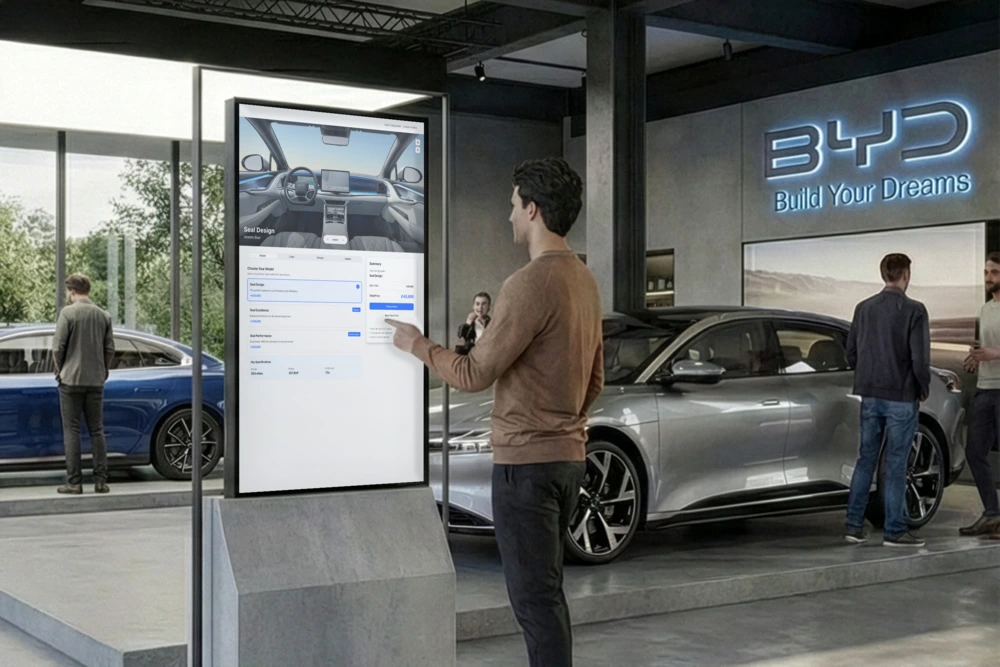
The next step is bringing that mindset inside everyday stores. Instead of relying only on static displays, retailers can create experiential zones where people can tap, swipe and explore - from interactive retail kiosks that explain complex products to digital catalogues that surface items not physically stocked in‑store.
These spaces turn casual browsing into experiential commerce, blending discovery, learning and play in ways that are hard to replicate online.
Community events, live demos and creator content can draw big crowds, but the impact really compounds when you leave smart devices in place as always‑on marketing tools.
Those same screens, mirrors or kiosks can update campaigns by season, event or trend and roll out new experiences across every store from a single platform like Merlin Cloud - giving you a flexible, interactive retail environment that keeps evolving without constant re‑installs.
After COVID, ordering online became the default, which means physical stores now have to earn every visit and every extra minute of dwell time. Experiential retail gives people a reason not just to come in, but to stay - replacing a quick transaction with an immersive shopping experience built around discovery and play.
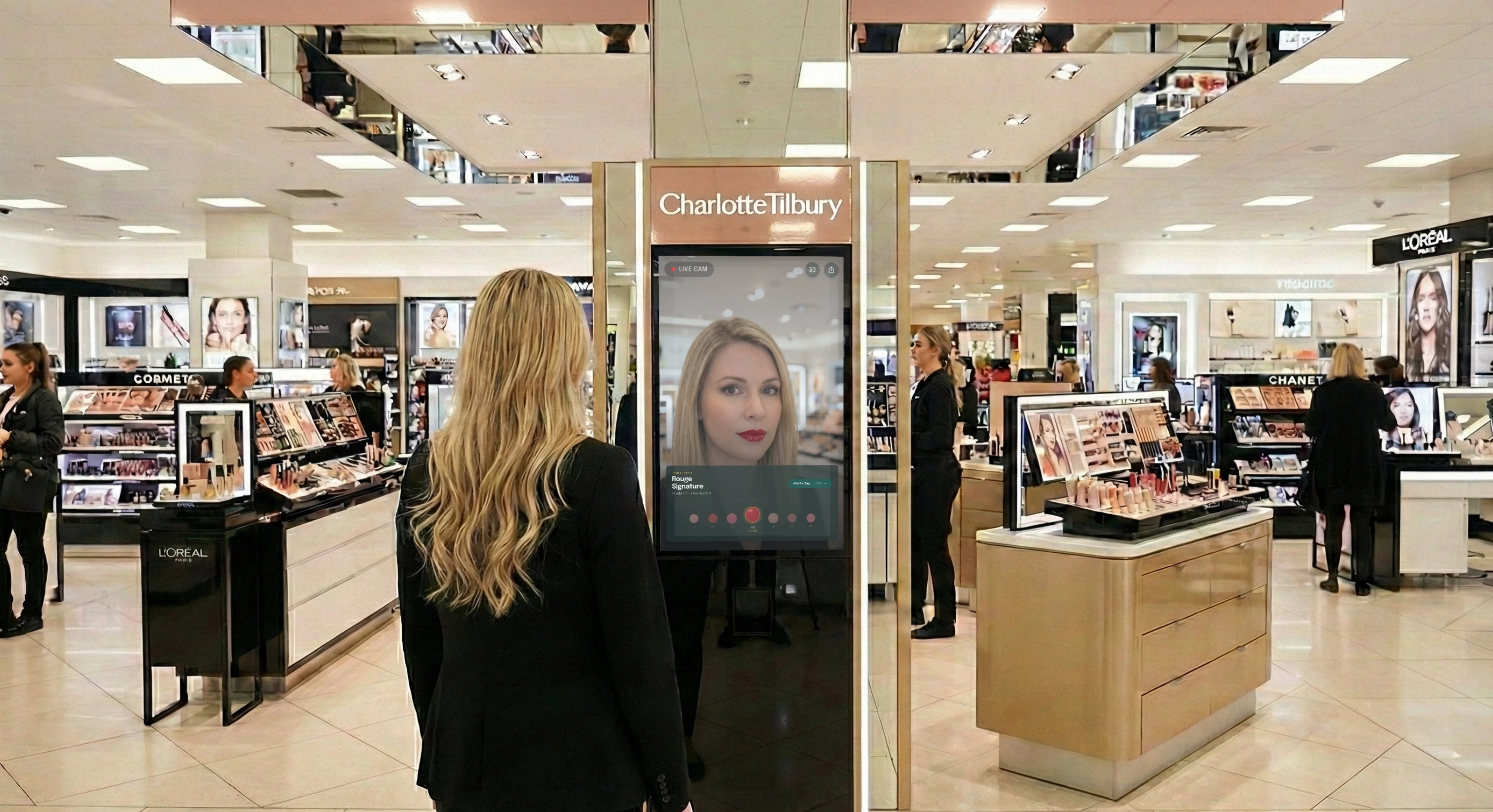
At the same time, many shoppers now prefer to explore through interactive retail touch-points rather than go straight to a sales advisor. Letting people try on glasses in AI mirrors, tap through product stories on interactive displays, or take photos and see them appear on an experiential wall makes engagement feel natural instead of forced.
A good experiential retail strategy doesn’t mean filling your store with random screens; it means choosing a few powerful experience types and doing them well.
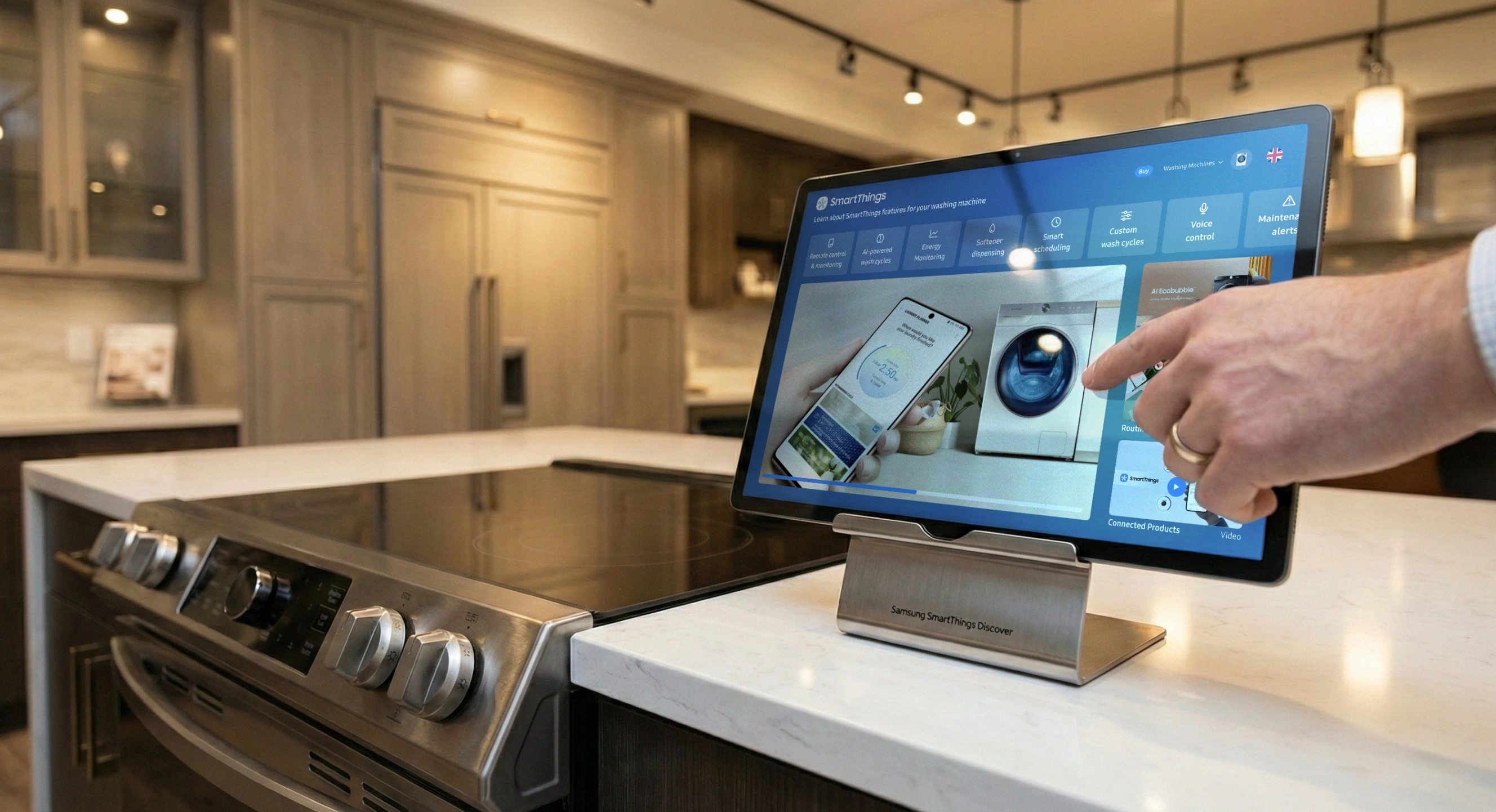
Interactive kiosks and digital installations are often the first step: product finders, comparison tools, endless‑aisle catalogues or “build your own bundle” experiences that help customers understand options faster than browsing shelves.
These interactive retail touchpoints can also surface products that aren’t physically in stock, turning your store into a gateway to a much larger assortment while still feeling hands‑on and personal.
Add in gamified loyalty mechanics - spin‑to‑win kiosks, in‑store challenges, quiz walls or collectible digital badges - and you have experiential retail examples that encourage people to interact more, stay longer and share their visit with friends.
| Experience type | What it looks like in‑store | Why it works for engagement | Example use cases |
|---|---|---|---|
| Interactive kiosks & digital installations | Touchscreens, product finders, digital dynamic signage. | Gives instant answers without waiting for staff, makes complex ranges easier to navigate etc. | Finding the right size or spec, comparing product lines, checking availability, signing up for offers or loyalty in a few taps. |
| AI mirrors & smart fitting rooms | Mirrors and screens that overlay products | Combines the reassurance of trying things on with the convenience of online recommendations | Virtual try‑on for glasses, cosmetics or apparel, “complete the look” suggestions, guided outfit building for specific occasions. |
| Gamified zones & loyalty activations | Spin‑to‑win kiosks, quiz walls, scavenger hunts, interactive walls | Makes the store feel like an event, rewards exploration and repeat visits, and encourages social sharing. | Launch events, seasonal campaigns, queue‑time games, missions that reward visiting multiple areas or trying new products. |
Designing an immersive retail experience starts with the customer journey, not the hardware.
You need to know who you’re targeting, why they’re in the store, what’s getting in their way, and where an experiential touchpoint - a kiosk or a gamified zone etc. - can genuinely help them decide, not just distract them. When you look at the journey this way, experiential retail stops being a set of gadgets and becomes a series of connected moments that move people from curiosity to confidence.
From there, the principles are simple: tell a clear story, guide people intuitively through zones, make every experience accessible, and train staff so they can support and amplify what the tech is doing.
Experiential retail has to do more than “feel cool” in the moment. It needs to show clear movement in the numbers that matter to your stores: how many people come in, how long they stay, how much they buy and how often they return.
With immersive retail experiences, you can go beyond basic footfall and start tracking:
When you treat experiential commerce as a measurable system, you can see which pop‑ups, zones and interactive retail touch-points actually move these metrics. Visualising them in dashboards makes it much easier for retail, marketing and operations teams to agree what’s working, improve what isn’t and decide where to roll out the next wave of experiences
Designing a great experiential retail concept is only half the job - the real challenge is keeping it running smoothly across multiple stores. &Element looks after the full journey: we shape the customer experience, install and configure the hardware in your stores, and connect everything to your existing systems so teams can support it without extra complexity.
Merlin Cloud is the layer that turns those installations into something you can reliably scale. From one dashboard you can push new campaigns to every device, monitor health and uptime, and see exactly how each experience is performing in each store.
| Steps | How to do it? |
|---|---|
| Clarify your business goals. | Decide what you want experiential retail to change first: footfall to specific stores, dwell time in key zones, conversion on certain products, or better data on how people shop. |
| Pick one store or zone. | Choose a location where you can learn quickly - often a flagship or a store with engaged staff and solid traffic - and define the area you’ll focus on. |
| Choose one experience type. | Start with a single core experience such as an interactive kiosk, an AI mirror or a gamified zone, rather than trying to do everything at once. |
| Define success and dashboards. | Agree the metrics that will decide if the pilot worked (e.g., dwell time, interactions per day, uplift in sales, data capture) and set up simple dashboards so everyone can see them. |
Importantly reach out to us - we can help you on every step of the way - from planning to rollout.
Have any questions?
Get a free £350 consultation with our team and discover how we can save you time and money through tailored software and strategy.
&Element created us an immersive brand and brand strategy for Entrepreneurs Forge. The team worked with us through many research rounds to delivery exactly what we wanted.
Ruth Patron
Centre Manager, University of Suffolk